Buying Dihydroberberine Powder in bulk calls for more than comparing prices per kilogram. Buyers need to assess identity, consistency, documentation, and the supplier’s ability to support repeat orders. A clean label is not enough.
Natural-products researcher Dr. Richard B. van Breemen is a relevant scientific authority. A practical purchasing principle, consistent with careful natural-products research, is: “Verify the material before trusting the label.” This is an editorial summary, not a verified quotation from Dr. van Breemen.
For each lot, request a current certificate of analysis and check that it identifies the tested material, methods, results, and batch number. Ask whether identity and potency are confirmed through appropriate laboratory testing, and whether contaminant testing covers heavy metals, microbes, and residual solvents. Details matter. A certificate with no matching lot number leaves a gap.
Compare the powder’s stated specification, packaging, storage conditions, and shelf life. A sealed, moisture-protective package and clear handling instructions can help reduce avoidable quality risks during storage and transport. Ask how the supplier manages changes between batches and what records accompany a shipment. Then review minimum order quantities, lead times, sample availability, and quality-issue procedures—not just the quoted price.
Some details may remain uncertain. That is a reason to ask follow-up questions, not to assume quality. This guide outlines practical checks for evaluating suppliers and making a better-informed bulk purchase of Dihydroberberine Powder.
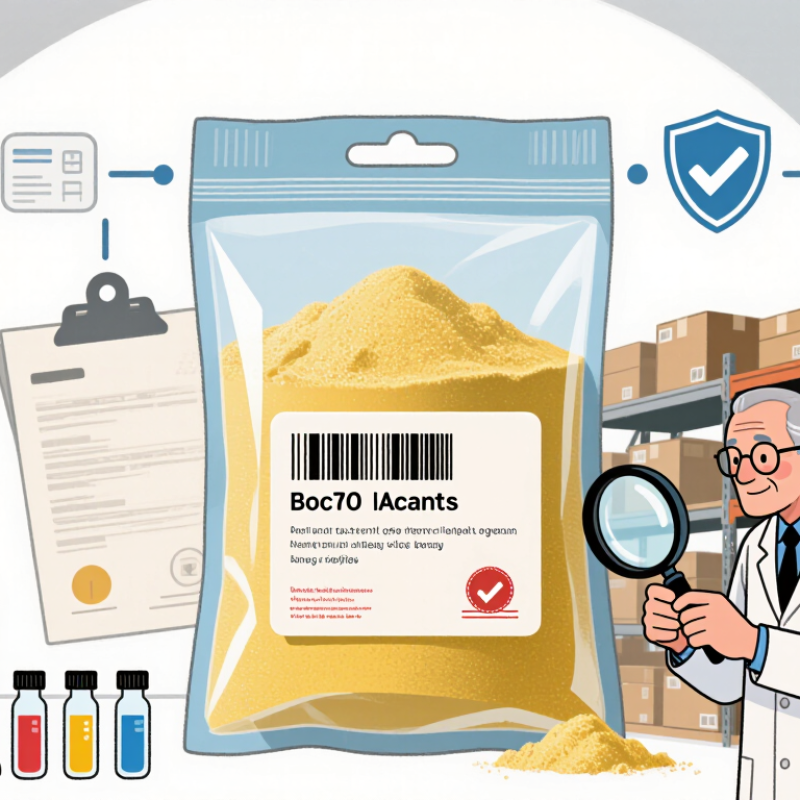
Dihydroberberine powder is a concentrated ingredient used in supplement formulations. Bulk buyers may source it for capsules or blends, where consistent identity and batch quality matter. Its research base is still developing, so avoid treating ingredient claims as settled facts. Keep claims modest.
The Council for Responsible Nutrition’s 2023 Consumer Survey reported that 74% of U.S. adults use dietary supplements, and 55% use them regularly. This industry survey shows broad supplement use, not demand for dihydroberberine specifically. That distinction matters. Bulk purchasing should follow a clear formulation need, not a general market statistic.
Before placing an order, request a recent, lot-specific certificate of analysis. Check that it identifies the ingredient and reports assay results, heavy metals, and microbial testing. Ask how the supplier controls moisture and stores sealed powder; poor handling can undermine consistency. For U.S. dietary supplements, manufacturing is subject to FDA current good manufacturing practice requirements under 21 CFR Part 111. A clean certificate still cannot tell the whole story. Review traceability, testing methods, and whether the documentation matches the lot you will receive.
Before requesting a bulk quote, write down the exact material you need: dihydroberberine powder, its intended use, and any target assay range.
Ask suppliers to define the test method, not just provide a percentage. Request a recent certificate of analysis, lot number, and details on identity, heavy metals, residual solvents, and microbiological testing.
Limits may depend on your product and market. Check them with a qualified reviewer.
Particle size can affect blending and handling; ask for a stated range if it matters to your process. Confirm packaging size, lining, storage guidance, and remaining shelf life at delivery.
Small details count.
A 25-kilogram drum may sound efficient, but it is wasteful if your team uses only a few kilograms monthly. Estimate usage across the lead time, then account for testing, production delays, and expiry.
A small evaluation sample can reveal handling issues before a larger commitment. It is tempting to order extra for a lower unit price; that calculation deserves a second look.
Compare the minimum order quantity with realistic demand, and get the accepted specifications and test documents confirmed in writing before paying.
How to Buy Dihydroberberine Powder in Bulk
Evaluating Suppliers, Testing, and Quality Certifications
For bulk dihydroberberine powder, evaluate the supplier’s records as carefully as the quoted price. Request a certificate of analysis for the exact lot offered, not a generic sample document. Check that it lists identity, assay, test methods, and results for relevant contaminants. Ask who performed the tests and whether the laboratory is accredited for the methods used. Details matter.
A quality certificate can support your review, but it does not prove every batch is identical. Confirm what a supplier’s GMP or ISO certification covers, and check its validity with the issuing body. Ask for lot traceability, storage conditions, and written procedures for handling complaints or deviations. If possible, compare a pre-purchase sample with the delivered batch using an independent lab. Paperwork may look tidy; real-world checks still matter.
Tips: Keep a dated record of documents, sample results, and supplier responses. Ask direct questions when a test method or result is unclear. Small inconsistencies deserve follow-up, even when the supplier seems experienced.
This illustrative 100-point scorecard prioritizes identity and assay evidence, followed by traceability and independent testing. Request lot-specific test results and review the testing laboratory’s ISO/IEC 17025 accreditation scope. GMP and ISO 9001 certifications relate to quality systems; they do not by themselves verify a specific powder’s identity, strength, or purity. Confirm product specifications and applicable requirements before purchasing.
When comparing bulk dihydroberberine powder quotes, check the price per kilogram and the quantity behind it. A low unit price may depend on a large minimum order. Ask whether testing, inner packaging, and freight are included. Request a recent certificate of analysis with batch identification and clearly stated test methods. If two quotes use different specifications, their prices are not directly comparable. I have overlooked that distinction before; it can make a bargain look better than it is.
Packaging affects both handling and storage. Ask for the net weight per bag, the material in contact with the powder, and whether bags are sealed inside a protective outer container. For example, a 25-kilogram carton may be awkward to move or portion in a small facility. Smaller units can cost more, but may reduce repeated opening and exposure to moisture. Small details matter. Confirm the label includes the batch number, net weight, and storage guidance.
Shipping terms deserve the same attention as the product price. Get the estimated dispatch date, transit time, shipping method, and responsibility for freight and import paperwork in writing. Clarify who handles duties, if applicable, and what happens if a shipment is delayed or arrives damaged. Compare the final delivered cost, not just the quoted powder price. Transit estimates can change, so leave room for delays rather than planning around the rosiest date.
Before placing a bulk order, check whether the supplier can provide a current, batch-specific certificate of analysis (COA). It should identify dihydroberberine and report the assay method, measured potency, and test results for relevant contaminants, such as heavy metals and microbes. Confirm that the lot number on the COA matches the product label and invoice. A polished document is not proof by itself. Ask which laboratory performed the tests and whether the report can be independently verified. In the United States, dietary supplement manufacturing is subject to FDA current good manufacturing practice requirements under 21 CFR Part 111; requirements may differ by market and product category.
Verify details before payment: ingredient name, powder quantity, packaging, lot number, production or retest date, shipping conditions, and agreed delivery terms. Request written confirmation of any specification that matters to your use. The Council for Responsible Nutrition’s 2024 Consumer Survey reported that 75% of U.S. adults use dietary supplements, underscoring why clear quality records matter to buyers and suppliers. That figure describes consumer use, not product quality. It is a useful distinction—and easy to overlook.
Tips: Match the lot number across the COA, label, and invoice. Keep copies of the records. If a test method or result is unclear, pause and ask for clarification before ordering. I would not treat a low price as reassurance; paperwork can still leave questions unanswered.
As a trusted co-development partner, Teleflex Medical OEM supports industry leaders in the design and development of medical devices with the unparalleled expertise that improves speed, flexibility, and value.
©2025 Teleflex Incorporated. All rights reserved. Teleflex, EPIC Medtec, Force Fiber Fusion, and “Work With The Experts” are trademarks or registered trademarks of Teleflex Incorporated in the U.S. and other countries. Additional trademarks are property of their respective owners.