Shilajit Extract is attracting attention from supplement brands and ingredient buyers, but supplier selection requires more than a polished product page. The commercial backdrop is expanding: Grand View Research estimated the global dietary supplements market at USD 177.5 billion in 2023, with a projected 9.1% compound annual growth rate from 2024 to 2030. That figure covers supplements broadly; it does not measure shilajit demand specifically. WHO’s 2019 Global Report on Traditional and Complementary Medicine also noted that 170 Member States had reported use of traditional and complementary medicine. These figures show a wider market context, not proof of product efficacy.
For global buyers, the practical questions are specific. Where was the raw material collected? How is the extract identified and processed? Can the supplier provide batch-level certificates of analysis, contaminant testing, and traceability records? Ask for methods and results, not just a “purity” claim. A dark resin sample and a clear specification sheet are useful starting points. They are not enough.
This guide compares suppliers through sourcing transparency, quality documentation, manufacturing controls, and export readiness. It also considers communication and consistency across batches. Quality systems such as GMP and independent laboratory testing can support due diligence, but buyers should verify the scope and validity of each claim. A supplier profile is only a starting point—not proof. Some information may remain difficult to compare, and that deserves scrutiny. The aim is a clearer shortlist, not a guarantee. Buyers should assess each supplier against their own product requirements and applicable market rules.
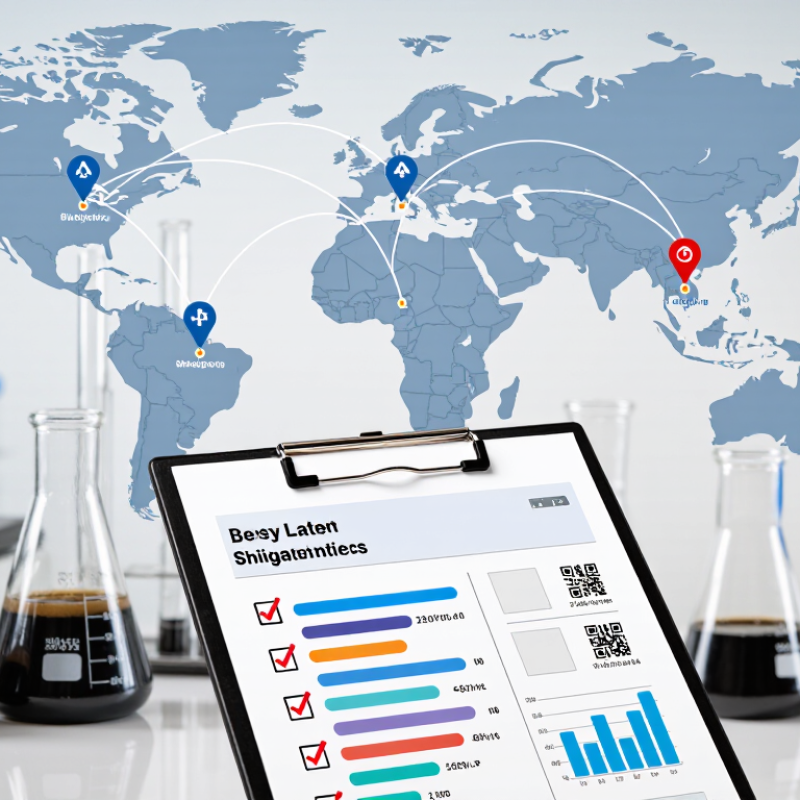
The global shilajit extract supplier market includes producers, processors, and trading companies with very different levels of control. Some manage collection and purification directly; others purchase finished material from several sources. That difference affects traceability. Buyers should ask where each batch originated and how the extract was processed.
Details matter. A useful supplier review goes beyond a polished specification sheet. Request batch-specific test results for identity, heavy metals, microbial quality, and moisture, along with the testing methods used. If solvents are part of processing, ask how residues are assessed. Confirm whether the laboratory is independent and appropriately accredited. Paperwork helps, but it does not replace clear answers or consistent records.
Specifications can also vary between suppliers. One extract may be described by its fulvic acid content, while another uses a different marker or testing method. Compare like with like before judging price or potency. Request a sample and check its appearance, aroma, and solubility against the agreed specification. It is tempting to treat the lowest quotation as the best option. That can be a mistake. Import requirements and quality expectations differ by destination, so buyers should confirm applicable standards before placing an order. A supplier may seem reliable, yet still leave gaps in batch documentation; ask follow-up questions.
Understanding the Global Shilajit Extract Supplier Market
This buyer-focused checklist counts evidence items to verify: product quality (identity, batch certificate of analysis, heavy metals, microbial testing, and residual solvents), traceability (source and batch linkage), manufacturing (GMP evidence and process controls), and regulatory readiness (target-market documentation and label review). These are checklist counts—not supplier market shares or measured market statistics.
How to evaluate shilajit extract suppliers starts with evidence, not polished sales claims. Request a batch-specific certificate of analysis (COA), product specification, and source-region documentation. The WHO’s 2019 Global Report on Traditional and Complementary Medicine says 170 of 194 member states reported using such medicine. That figure signals broad use, not product quality. Keep the distinction clear. A supplier should explain how each lot is identified and tested.
Check whether the COA reports lead, arsenic, cadmium, and mercury, alongside microbial limits and residual solvents where relevant. Ask which laboratory performed each test, what methods it used, and whether the lab holds ISO/IEC 17025 accreditation. WHO’s Quality Control Methods for Herbal Materials stresses identity and purity testing; a single marker value cannot replace those checks. Fulvic-acid content may help compare specifications, but it does not prove authenticity by itself.
Review extraction details, batch traceability, stability data, and packaging controls. Ask how the supplier handles out-of-specification results and whether it can provide a recent, unredacted test report. A tidy COA can still leave gaps. I would look for matching lot numbers across documents, clear test units, and stated detection limits. Missing details are not automatic proof of poor quality, but they deserve a direct answer.
For global buyers, supplier regions matter because altitude, collection practices, and processing capacity vary. Himalayan sourcing is commonly associated with India, Nepal, and Pakistan. India’s Himalayan states and territories often serve both as collection areas and processing hubs. Nepal’s suppliers may offer closer access to mountain collection zones, while Pakistan’s northern regions contribute to cross-border supply. Central Asian mountain areas, including the Altai, are also cited in commercial sourcing. Geography alone proves little.
The World Health Organization’s 2019 Global Report on Traditional and Complementary Medicine found that 170 of 194 member states reported using traditional medicine.
That figure signals broad interest in traditional products, not shilajit sales specifically. Buyers should keep the distinction clear.
Ask suppliers for the material’s precise origin, batch-level identity testing, contaminant results, and documented handling conditions. A jar’s dark resin tells you very little. Supplier claims can be incomplete, and public trade categories may not isolate shilajit from other extracts.
That gap deserves scrutiny. Reliable regional comparisons therefore depend on traceable batch records and independent testing, not broad claims about a country’s reputation.
For global buyers, supplier evaluation should begin with a written specification for the shilajit extract. It should identify the material, extract form, batch number, and measurable quality limits. Ask how the supplier confirms identity and manages natural variation between batches. A current certificate of analysis should match the lot being purchased, not a generic sample. The report should name test methods and show results, units, and acceptance limits. Paperwork is not proof.
Request testing for heavy metals, microbial quality, and other contaminants relevant to the material and destination market. Independent laboratory results can add confidence, especially when the laboratory is accredited for the methods used. Check whether the report tests the finished extract or only a raw ingredient. Those are not always equivalent. Details matter.
Certifications can support a quality review, but their scope matters. Verify the issuing body, validity dates, covered site, and activities included in the certificate. Compare these details with the supplier’s actual production and testing arrangements. Keep retained samples and review records across multiple lots when possible. Even a careful checklist can miss a weak point, so buyers should ask follow-up questions when results, methods, or batch documents are unclear.
Reliable sourcing starts with clear questions, not polished sales claims. Ask where the raw material was collected, how the extract was processed, and whether each batch has a certificate of analysis. Check that the report identifies the tested batch and covers identity, heavy metals, and microbiological quality. Paperwork matters. A certificate is useful, but it is not proof by itself; buyers should confirm that the testing method and results fit their product specifications.
Before ordering, agree on sample approval, minimum quantities, lead times, and packaging. Moisture-resistant, sealed containers can help protect powder during transit. Request commercial invoices, packing lists, and origin documents early, then compare every detail with the shipment. Small delays add up. In practice, even a careful checklist can miss a label mismatch, so assign someone to review documents before dispatch.
Import rules vary by destination and by how the product will be sold or used. Confirm classification, labeling, testing, and notification requirements with the relevant authorities or a qualified customs broker. Do this before the goods leave, not when they reach the port. Keep batch records and supplier communications together for traceability. Requirements can change, and assumptions are a poor substitute for current guidance.
As a trusted co-development partner, Teleflex Medical OEM supports industry leaders in the design and development of medical devices with the unparalleled expertise that improves speed, flexibility, and value.
©2025 Teleflex Incorporated. All rights reserved. Teleflex, EPIC Medtec, Force Fiber Fusion, and “Work With The Experts” are trademarks or registered trademarks of Teleflex Incorporated in the U.S. and other countries. Additional trademarks are property of their respective owners.