Choosing Liposuction Aspirator Machines is not simply a matter of picking the model with the highest suction rating. The right choice depends on the intended clinical setting, compatible cannulas and tubing, collection capacity, noise level, and staff workflow. Small details matter. A heavy unit can complicate room setup, while a difficult-to-read pressure gauge may slow routine checks.
A useful clinical reference is Dr. Melvin A. Shiffman, a plastic surgeon and author on liposuction. However, without a verifiable source for his exact words on aspirator selection, I will not invent a quotation or attribute one to him. A practical rule for this guide is: “Match the machine to the procedure, the team, and the available support.” That is an editorial guideline, not a quotation from Dr. Shiffman.
This guide explains how to compare suction performance, controls, canister design, portability, cleaning requirements, and after-sales service. It also considers whether a supplier provides clear specifications, training materials, and access to replacement parts. Look beyond glossy product photos. Check the operating manual, inspect connectors, and ask how routine maintenance is handled. A machine may appear ideal on a specification sheet, yet prove awkward in daily use. That possibility deserves honest attention. Selection should involve qualified clinical and technical professionals, with the intended use and facility requirements clearly defined.
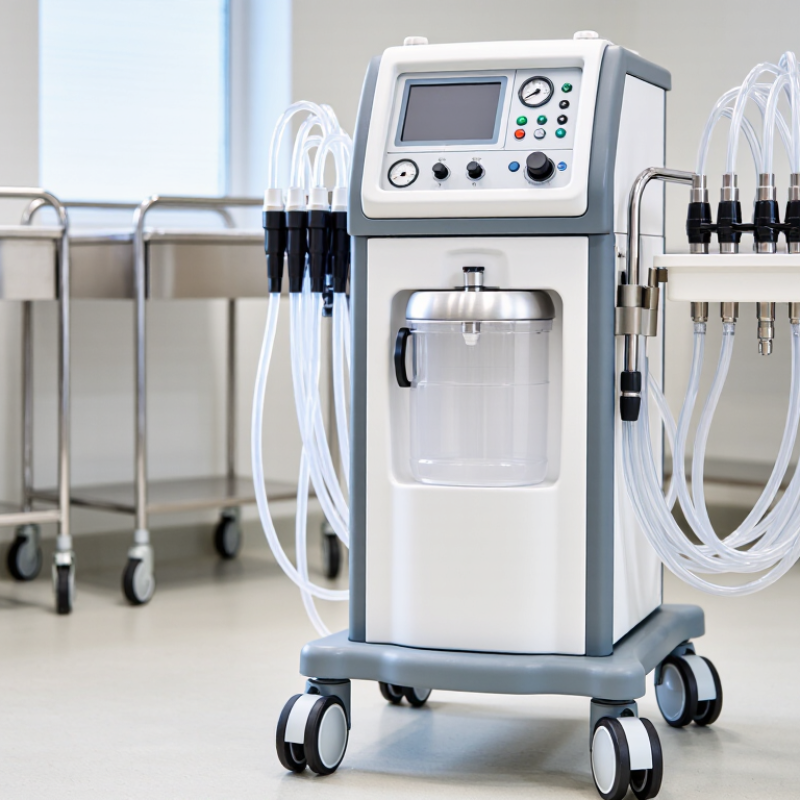
Start with the planned procedure, not the aspirator’s headline suction rating. Small-area contouring and larger-volume procedures place different demands on airflow, collection capacity, and operating time. Match the unit’s adjustable vacuum range, pressure stability, canister size, and tubing connections to the surgeon’s technique and facility setup. Also consider whether staff can monitor suction easily during a busy procedure.
The American Society of Plastic Surgeons recorded 347,782 liposuction procedures in its 2023 U.S. procedural statistics report. This figure shows the procedure’s scale, but it does not define the right machine for every case. Assess the treatment area, expected aspirate volume, cannula sizes, and whether the setup must support more than one operating-room workflow. Confirm that filters and collection containers are practical to change and clean. A powerful unit can still be a poor fit if its controls are hard to read or its suction fluctuates. Equipment selection is not always tidy; workflow details are easy to overlook.
Tips: Test the controls and alarms before purchase. Check compatibility with existing tubing and canisters. Ask staff who will use the machine daily; their feedback may change your shortlist.
Liposuction aspirators differ in how they create suction and how they move tissue through the cannula. A conventional system uses steady vacuum while the clinician guides a standard cannula by hand. Its operation is straightforward, but results depend heavily on technique and consistent hand movement. The canister should remain visible, so staff can monitor collected fluid and spot changes.
Power-assisted systems add a small, rapid cannula movement to the suction process. This may reduce repetitive manual effort, though it does not replace careful control of depth or direction. Ultrasound-assisted systems use energy to help loosen fatty tissue before aspiration. They involve additional equipment and steps, so setup, tissue response, and heat management deserve close attention. More features are not automatically better.
Compare operating methods, not just peak vacuum figures. Check whether suction is adjustable, how quickly it responds, and whether tubing and canisters are easy to inspect. Listen to the motor during a test cycle; unusual vibration or inconsistent suction warrants investigation. That matters. A practical evaluation should include cleaning procedures, compatible accessories, maintenance support, and staff training. In real use, the “best” type can depend on the procedure and clinician preference. That judgment is not perfectly objective, so document why a system fits the intended workflow and review that choice over time.
How to Choose a Liposuction Aspirator Machine?
Evaluate Suction Capacity, Controls, and Compatibility
A suction rating on its own tells only part of the story. Check the machine’s stated vacuum range and airflow, then ask how consistently it performs during sustained use. A gauge should be easy to read from the operator’s position. Canister capacity matters, too: a small container may require more frequent changes in a busy clinical setting. More suction is not automatically better. The selected range should suit the intended clinical application and the device’s instructions.
Controls should feel clear, not mysterious. Look for accessible pressure adjustment, visible status indicators, and a foot pedal if the clinical workflow calls for one. Test the controls before purchase, including how the unit responds when settings change. Noise and vibration can affect the room experience. Small details matter. A control panel that looks simple in a brochure may feel less intuitive with gloves on; that is worth checking in person.
Confirm compatibility with the intended tubing, cannulas, collection canisters, and any required filters. Do not assume that a connector fits because it looks similar. Review the manufacturer’s specifications and instructions, and ask a qualified clinical or technical representative to verify the complete setup. Also check cleaning and maintenance requirements, including which components are reusable. There is no perfect checklist, and a tempting feature can distract from basic fit. Compare the full system, not just the pump.
How to Choose a Liposuction Aspirator Machine?
Check documented electrical safety, vacuum performance, and maintenance requirements before comparing features. Ask for applicable IEC 60601-1 safety documentation and IEC 62353 testing records; confirm the exact model and configuration are covered. The World Health Organization’s Global Patient Safety Report 2024 estimates that about 1 in 10 patients experiences harm in health care. This figure covers health care broadly, not liposuction equipment specifically, but it underscores why reliable checks matter. Inspect the canister seals, tubing connections, filters, and pressure controls. Small details matter.
Tips: Request a sample service log and a written maintenance schedule. Ask how quickly trained technicians respond, which replacement parts are stocked, and whether support includes troubleshooting. Confirm that staff can access clear operating and cleaning instructions. A checklist helps, but it cannot replace hands-on training or routine inspection.
Look for traceable service records, defined preventive-maintenance intervals, and a clear process for reporting faults. Ask what checks follow repairs, including vacuum accuracy and electrical safety tests. If a supplier cannot explain these steps plainly, pause. Support quality can be hard to judge before purchase, so request references from facilities with similar workloads. No service plan removes every risk; reassess it as usage, staff, and equipment condition change.
Verify safety standards, maintenance requirements, and technical support before purchasing.
The chart shows publication years for selected standards relevant to medical-device quality management and electrical safety. Confirm which standards and editions apply in your jurisdiction and request supporting documentation. Also review the machine’s instructions for use for maintenance intervals, and confirm service availability, spare-parts access, and technical-support response arrangements.
The purchase price is only one part of a liposuction aspirator’s cost. Compare the expected total over several years, including compatible tubing, collection canisters, filters, servicing, staff training, and equipment downtime. Small recurring expenses add up. Ask suppliers for written estimates and clarify which parts need routine replacement. A low initial quote may not include installation or after-sales support.
Match the machine’s capacity and controls to your facility’s procedures and expected workload. Review suction range, noise level, mobility, cleaning requirements, and the availability of trained service technicians. Check technical documents and applicable local requirements before purchasing. In practice, a detailed spreadsheet helps, but it may still miss the cost of delays when a unit needs repair. That part is harder to predict. Compare warranty terms, response times, and loan-unit options where available. A more expensive model may suit a busy clinic, while a simpler machine may be adequate for lower use. There is no perfect estimate; record your assumptions and revisit them before committing.
Compare estimated equipment capacity, practical features, and five-year ownership costs. The figures below are illustrative planning estimates in USD, not supplier quotations; actual specifications and prices vary by configuration, location, and service terms.
| Comparison Factor | Basic / Lower-Volume Setup | Mid-Range / Regular Use | Higher-Capacity / Heavy Use |
|---|---|---|---|
| Typical use profile | Lower case volume; prioritize straightforward operation and essential functions. | Regular clinical use; balance capacity, serviceability, and purchase cost. | Higher throughput; prioritize capacity, workflow features, and service support. |
| Illustrative adjustable vacuum range | Approximately 0–760 mmHg | Approximately 0–760 mmHg | Approximately 0–760 mmHg |
| Illustrative airflow range | About 30–60 L/min | About 40–80 L/min | About 60–100 L/min |
| Typical collection capacity | One or two canisters; commonly around 2–4 L each | One or two canisters; commonly around 3–6 L each | Multiple or larger canisters; commonly around 4–10 L total or more |
| Features to check | Vacuum regulator and gauge, overflow protection, compatible tubing and canisters | Stable vacuum control, accessible filters, clear alarms, convenient canister handling | Higher continuous-duty rating, larger collection setup, alarms, and readily available service |
| Estimated purchase cost | $2,000–$5,000 | $5,000–$10,000 | $10,000–$20,000+ |
| Illustrative annual service and maintenance allowance | $200–$500 | $400–$800 | $700–$1,500 |
| Illustrative disposable cost per case | $10–$30 | $15–$40 | $20–$50 |
| Five-year cost example | $14,000: $3,000 purchase + $400 annual service × 5 + $18 per case × 100 cases/year × 5 | $22,500: $7,000 purchase + $600 annual service × 5 + $25 per case × 100 cases/year × 5 | $32,000: $12,000 purchase + $900 annual service × 5 + $35 per case × 100 cases/year × 5 |
| Best fit when | Lower projected utilization makes a lower initial investment the priority. | Expected workload is steady and a balance of upfront and running costs is preferred. | High utilization makes capacity, uptime, and responsive service especially important. |
| Before purchasing | Confirm the intended clinical use, local regulatory requirements, electrical compatibility, vacuum and airflow specifications, canister and tubing compatibility, warranty coverage, service response time, and availability of replacement parts. Verify all technical specifications with the supplier and your clinical engineering team. | ||
Cost assumptions: Five-year examples assume 100 cases per year and include the purchase price, the stated annual service allowance, and estimated disposable supplies. They exclude tax, shipping, installation, financing, staff time, facility costs, and any upgrades. Use your own case volume and local quotations to calculate a more accurate total cost of ownership.
As a trusted co-development partner, Teleflex Medical OEM supports industry leaders in the design and development of medical devices with the unparalleled expertise that improves speed, flexibility, and value.
©2025 Teleflex Incorporated. All rights reserved. Teleflex, EPIC Medtec, Force Fiber Fusion, and “Work With The Experts” are trademarks or registered trademarks of Teleflex Incorporated in the U.S. and other countries. Additional trademarks are property of their respective owners.