How to Source High Quality Agaricus Blazei Extract?
Sourcing high-quality Agaricus Blazei Extract requires more than comparing prices or reading a bright product label. It demands documented identity, controlled cultivation, and measurable active compounds. Recent market analyses from Grand View Research and IMARC Group show continued growth in functional and medicinal mushroom products. However, their market definitions differ. That makes supplier comparisons less precise.
Start with the raw material. Ask whether the supplier uses the fruiting body, mycelium, or a blended biomass. These materials can produce different beta-glucan profiles. Request the botanical name, cultivation location, harvest date, extraction solvent, and batch number. A serious supplier should provide a certificate of analysis, heavy-metal results, microbial testing, pesticide screening, and beta-glucan quantification. Look closely. “Polysaccharides” alone is not enough.
My laboratory and sourcing experience suggests that transparent records often reveal more than marketing claims. Paul Stamets, a widely recognized mushroom researcher, described mushrooms as “miniature pharmaceutical factories.” That observation supports careful testing, not exaggerated promises. Research published in peer-reviewed journals, including studies indexed by PubMed, has examined Agaricus blazei compounds and immune-related activity. Yet laboratory findings do not automatically prove clinical benefits in humans. This distinction matters.
A reliable supplier also explains storage conditions. Extract powder should arrive sealed, dry, and traceable. The color should remain consistent across batches. Some variability is normal. Too much variability needs investigation.
Choose evidence over packaging. Ask difficult questions. Weak documentation is a warning sign.
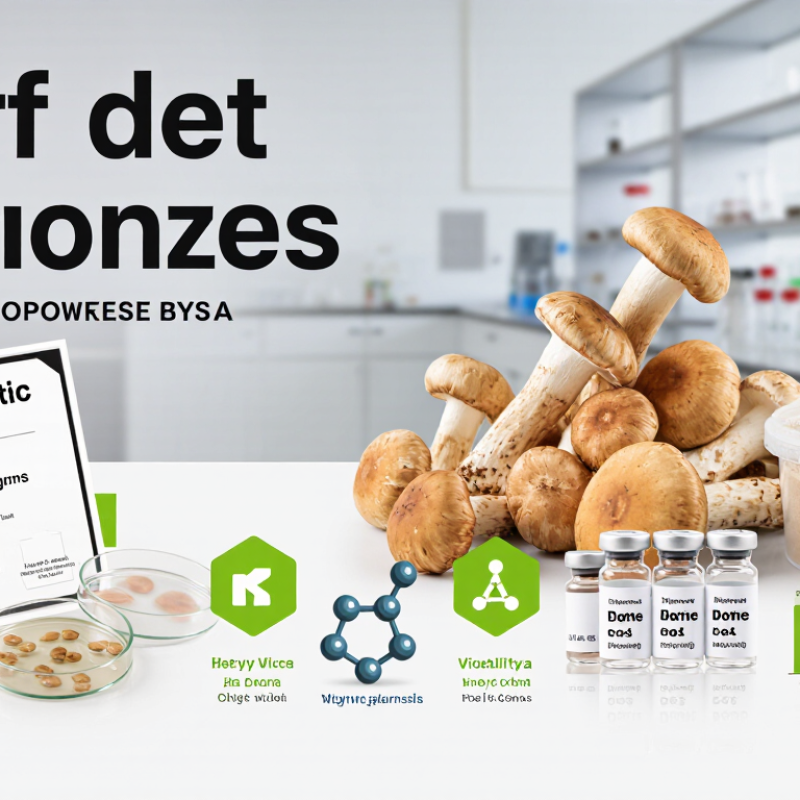
Defining Quality Standards for Agaricus Blazei Extract
High-quality Agaricus blazei extract starts with a defined specification, not a polished product photo. Confirm the scientific name, strain or cultivated source, and mushroom part used. Fruiting bodies and mycelium can differ in composition. Record the extraction solvent, temperature, concentration ratio, and carrier materials. A clear process history makes later testing more meaningful. It also exposes gaps early.
Quality standards should include identity, potency, purity, and traceability. Ask for an identity test that distinguishes Agaricus blazei from related species. Measure declared markers, such as beta-glucans, with a validated method. Total polysaccharides alone may mislead. They can include non-mushroom carbohydrates. Review microbial counts, heavy metals, pesticides, residual solvents, and moisture. Independent laboratory reports should show methods, units, detection limits, and batch numbers. Check whether results match the actual shipment. A generic certificate is weak evidence. Stability data matters too, especially after opening. Packaging should limit heat, light, and humidity.
Tips: Request a recent certificate of analysis. Compare three batches. Inspect the powder’s color, odor, and flow. These observations are useful, but they cannot replace laboratory testing. Keep retained samples for investigation. Suppliers should explain deviations without vague promises. I would also challenge unusually high potency claims. Some methods inflate numbers through broad testing. The standard may look impressive, yet remain poorly defined. Better specifications may reduce short-term options. That trade-off is worth examining.
Identifying Reliable Agaricus Blazei Extract Suppliers
Reliable Agaricus Blazei extract suppliers should provide more than attractive product pages. Ask for the scientific name, cultivation method, plant part, and extraction details. Fruiting body and mycelium can differ in beta-glucan profiles. The supplier should explain this difference clearly. Request a recent certificate of analysis for every production batch. It should show beta-glucan content, moisture, microbial limits, heavy metals, pesticides, and residual solvents. Vague test results deserve caution.
Tips: Check whether an independent laboratory issued the report. Confirm the laboratory’s accreditation and test date. Match the lot number on the report with the packaging. Ask for traceability from cultivation to shipment. A supplier that answers slowly or avoids technical questions may not be ready for serious purchasing.
Experienced buyers should also review the supplier’s quality system. Look for documented manufacturing procedures, controlled storage, and consistent batch records. Good suppliers can explain their extraction ratio without exaggeration. They should also disclose carriers, excipients, and possible allergens.
A high assay number alone does not prove a better extract. I have seen polished documents hide incomplete testing, so verification remains necessary.
Product samples can reveal color, odor, and solubility, but appearance cannot confirm identity. Consider testing a retained sample independently.
Supplier selection is rarely perfect. A transparent supplier that admits limitations may be more reliable than one promising everything.
Evaluating Cultivation, Extraction, and Processing Methods
How to Source High Quality Agaricus Blazei Extract?
Cultivation determines the extract’s starting quality. Request the strain record, substrate composition, harvest date, and drying conditions. A controlled indoor system is preferable, but it is not automatically superior. Substrate residues and inconsistent fruiting stages still require verification. FAO’s 2023 agricultural statistics show that cultivated mushroom production remains concentrated in a few countries, making supplier traceability especially important. Ask for batch-level records, not promotional claims.
Extraction should match the target compounds. Hot-water extraction generally supports polysaccharide recovery, while hydroalcoholic systems may capture more sterols and phenolics. The supplier should report extraction ratio, solvent strength, temperature, and concentration time. “High potency” means little without an assay method. AOAC methods and validated enzymatic testing can help quantify beta-glucans, while microscopy or DNA testing can confirm species identity. Results should include units and detection limits.
Processing can quietly damage quality. Excessive heat may darken the powder and reduce sensitive compounds. Spray drying often improves flow, yet carriers can dilute the native extract. Review moisture, water activity, microbial counts, heavy metals, pesticides, and residual solvents. USP’s Dietary Supplements Compendium emphasizes identity and contaminant testing, while ISO 22000:2018 supports documented food-safety controls. Some suppliers provide impressive certificates but incomplete raw data. That is a warning sign.
Verifying Purity, Potency, and Product Safety
How to Source High Quality Agaricus Blazei Extract?
Purity begins with correct identification. Agaricus blazei can be confused with related mushroom materials, especially after drying. Request macroscopic records, DNA confirmation, and an HPLC or chromatographic fingerprint. WHO’s Quality Control Methods for Herbal Materials recommends combining identity tests rather than relying on one result. That matters.
Potency needs closer inspection. Ask for beta-glucan results, extraction ratios, and the actual test method. Some colorimetric methods may count alpha-glucans as beta-glucans, overstating activity. AOAC guidance supports method validation, reference materials, and documented laboratory performance. A credible certificate of analysis should show results from the finished extract, not only raw mushrooms. Test at least three separate lots.
Safety testing should cover Salmonella, E. coli, total microbial counts, yeast, mold, heavy metals, pesticides, and aflatoxins. FDA’s 21 CFR Part 111 requires written specifications for identity, purity, strength, composition, and contaminant limits. USP’s Dietary Supplements Compendium also treats microbial quality and elemental impurities as separate controls. One clean report is not enough. I would request recent reports from an independent laboratory, with sample dates and detection limits. Supplier audits should verify drying temperature, solvent records, batch traceability, and storage humidity. A gap remains: many documents look professional but omit failed results. That omission deserves questions.
Comparing Samples, Certifications, Pricing, and Supply Terms
Sourcing high-quality Agaricus blazei extract starts with comparable samples, not attractive brochures. Request samples from the same specification and record color, aroma, solubility, and extraction ratio. A clean, mild mushroom aroma is useful, but it does not prove potency. Ask for the raw material’s origin, growing method, harvested part, and batch number. I prefer testing two or three batches before approving a supplier. One sample can mislead.
Certifications should support evidence, not replace it. Review current certificates for good manufacturing practices, food safety, organic status, and laboratory accreditation where relevant. Check legal entity names, certificate scope, expiry dates, and whether the documents match the production site. Request a batch-specific certificate of analysis showing beta-glucans, moisture, microbial limits, heavy metals, and undeclared additives. Independent testing is valuable when results seem unusually perfect. A missing method matters. Methods, detection limits, and laboratory identity make a result more credible. Still, paperwork can be outdated, and even careful buyers may overlook a changed test method.
Compare pricing on an equivalent basis: extract ratio, active-compound level, packaging, testing, and shipping terms. A low quoted price may exclude customs support, special handling, or repeat testing. Ask whether prices are fixed, tiered, or adjusted with harvest conditions. Supply terms deserve equal attention. Confirm minimum order quantities, lead times, payment stages, shelf life, storage conditions, and remedies for failed batches. A small pilot order can expose delays before they affect production. I would also request retained samples and written change-notification procedures. No supplier is flawless. Document every exception before signing.


