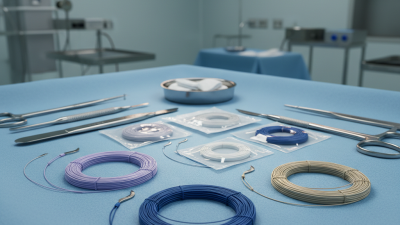
Top 10 Medical Sutures in China for Global Buyers?
The demand for medical sutures in China is rapidly increasing. According to recent market reports, the global surgical sutures market is projected to reach USD 4.08 billion by 2027. This growth is driven by advancements in surgical techniques and an increase in surgical procedures worldwide. Medical sutures play a crucial role in ensuring patient safety and effective healing.
China is a key player in the manufacturing of medical sutures. With a blend of innovation and cost-effective production, Chinese companies are gaining traction in the global market. Medical sutures made in China are recognized for their quality and reliability. However, there are challenges, such as regulatory compliance and competition from established markets.
The variety of medical sutures available can be overwhelming for global buyers. Each type serves a specific purpose, and selecting the right one is essential. As the industry evolves, continuous improvement and adherence to international standards are necessary. Understanding the nuances of medical sutures can lead to better outcomes in healthcare practices.
Overview of Medical Sutures in the Chinese Market
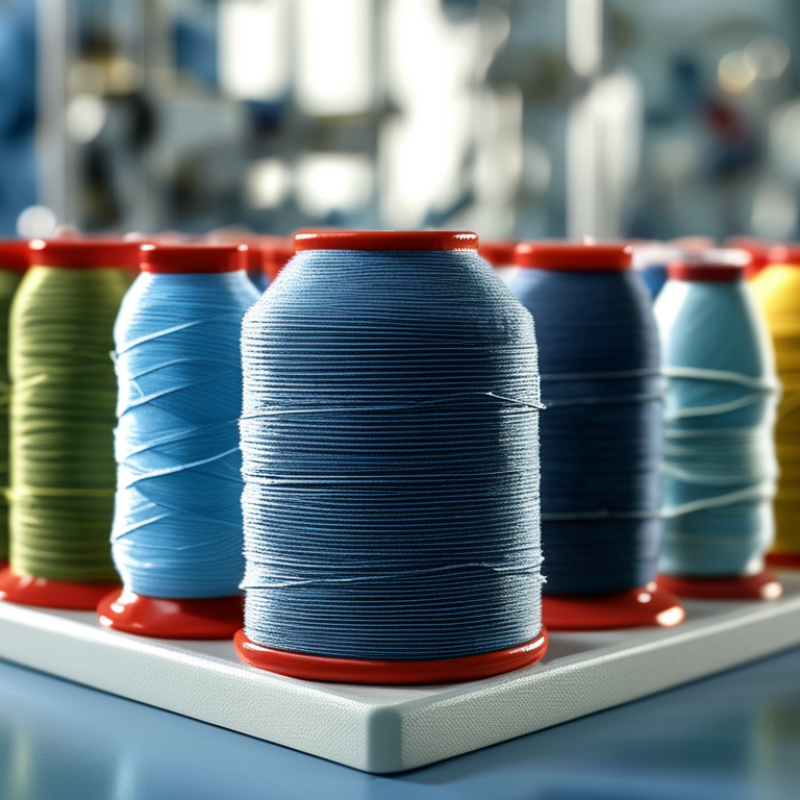
The Chinese market for medical sutures is vast and dynamic. It has shown significant growth in recent years due to rising healthcare needs. Hospitals and clinics in China demand high-quality sutures for various surgical procedures. The quality and reliability of medical sutures are paramount, as they directly affect patient outcomes.
Several types of sutures are used in China, including absorbable and non-absorbable materials. Surgical sutures must comply with stringent regulations. This ensures that healthcare providers can trust the products they use. Many manufacturers focus on innovative materials that enhance performance. However, there are challenges, such as inconsistencies in production quality. Buyers should remain vigilant in their selection process.
Distribution channels for these sutures are also evolving. Online platforms are gaining popularity among healthcare professionals. They offer a broader range of products and often better pricing. Yet, the lack of standardized testing among some suppliers raises concerns. This requires buyers to conduct thorough research. Overall, while the market offers many opportunities, it also demands careful navigation.
Criteria for Selecting High-Quality Surgical Sutures
When selecting high-quality surgical sutures, several criteria are crucial. The material composition plays a vital role. Sutures made from natural materials, like silk, are absorbable and less irritating. Synthetic options, such as polyglactin, offer stronger tensile strength and smaller diameters, making them suitable for delicate procedures. Consider the specific requirements of the surgery when choosing a suture type.
Suture size is another important factor. A smaller suture can minimize tissue trauma. However, it must still provide adequate strength. Choosing an appropriate size may require some trial and error. Surgeons often reflect on past surgeries to determine the best options. Consistency in performance can lead to better patient outcomes.
When evaluating a suture's reliability, look for certifications. Products with international quality standards ensure safety and efficiency. A supplier's reputation also matters. Seek sources that prioritize ethical production and transparency. Gathering opinions from experienced clinicians can help inform your choices. In doing so, make sure to weigh both positive and negative feedback to find a balanced perspective.
Top 10 Medical Sutures in China for Global Buyers
Top 10 Medical Suture Brands Popular with Global Buyers
Choosing the right medical suture is crucial for successful surgical outcomes. In China, various brands excel in producing high-quality sutures that are favored by global buyers. These sutures undergo rigorous testing and adhere to international quality standards. Reports indicate that the global sutures market was valued at approximately $3 billion in 2022, with a steady growth rate expected in the coming years.
When selecting sutures, consider their material properties. Absorbable sutures, such as polyglycolic acid and polylactic acid, are commonly used for internal stitches. Non-absorbable types, like silk and nylon, provide strength for long-term closures. Quality reports emphasize that sutures with low reactivity and high tensile strength significantly reduce complications. Many healthcare professionals appreciate brands known for consistent performance and availability.
Tip: Always consult with surgical experts to understand the specific suture needs for different procedures. Knowledge about an organization's track record can provide insights into reliability. Be mindful of supply chain variability, as it may affect suture availability.
Sutures must be carefully assessed. Some brands may not meet the desired quality expectations in every batch. A comprehensive evaluation of user experiences can help identify potential issues, making it essential to stay informed about industry advancements.
Innovative Trends in Medical Suture Technology in China
Innovative trends in medical suture technology in China are redefining surgical practices. Recent advancements focus on biocompatible materials. These materials minimize tissue reaction and enhance healing. Surgeons benefit from sutures that integrate seamlessly with human tissue. This leads to fewer complications during recovery.
Another significant trend is the development of absorbable sutures. These sutures dissolve over time, eliminating the need for removal. They are especially useful in pediatric and delicate surgeries. Moreover, smart sutures with embedded sensors are emerging. These can monitor healing and infection risks in real-time. Such innovations bring a new level of precision to surgical procedures.
While the advancements are impressive, not all innovations are flawless. Some new materials may not yet have long-term safety data. Challenges also exist in ensuring consistent quality across all production batches. Continuous evaluation and feedback from healthcare professionals are essential. This will aid in refining these technologies and improving patient outcomes.
Impacts of Regulatory Standards on Suture Quality and Safety
Regulatory standards play a crucial role in determining the quality and safety of medical sutures. In China, the suture manufacturing process is governed by strict guidelines. These guidelines ensure that materials used in sutures meet safety and efficacy requirements. Compliance checks are frequent, but some manufacturers may still fall short due to oversight or cost-cutting.
Quality control measures are essential. Regular audits and testing ensure that sutures can withstand stress during surgical procedures. Yet, not all manufacturers adhere to these standards. Issues in quality can arise, impacting patient safety. The lack of transparency in sourcing materials can lead to unreliable products.
International buyers must remain vigilant. Understanding local standards can aid in making informed decisions. Exploring existing certifications and inspection reports is vital. The impact of regulatory compliance extends beyond just manufacturing. It ensures patient trust in surgical procedures. A careful examination of suppliers is necessary to navigate potential risks. Balancing cost and quality remains a challenge for many buyers.