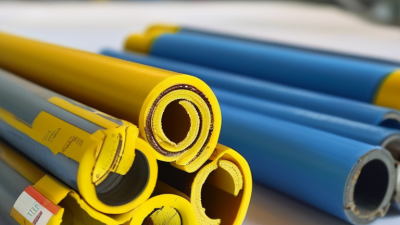
Why Use Peelable Heat Shrink Tubing?
Modern cable assemblies demand protection without permanent enclosure. Peelable Heat Shrink Tubing meets that need during inspection, repair, and controlled rework. Installers can cut or peel the sleeve away without applying excessive heat again. This reduces disturbance around connectors, sensors, and delicate wire insulation. In a production environment, that small difference can save minutes per assembly. It can also reduce scrap when a harness needs testing or replacement.
The market context is significant. Grand View Research reports continued growth in the global heat-shrink tubing market, driven by electrical, automotive, aerospace, and telecommunications applications. MarketsandMarkets also identifies rising demand for cable protection and insulation across transportation and industrial systems. These reports describe broad tubing markets, not peelable products alone. That distinction matters. Selection still depends on temperature range, recovery ratio, dielectric strength, chemical exposure, and mechanical performance. IEC 60684 and UL 224 provide useful reference points, but certification remains product-specific.
Think of a technician opening a sleeve beside a crowded control cabinet. The cable remains visible, accessible, and easier to document. That practical advantage supports maintenance quality and traceability. It does not eliminate every risk. Poor sizing, uneven heating, or unsuitable adhesive can still cause failure. Engineers should review manufacturer test reports, installation instructions, and application history before approval. A peelable design is not automatically superior. Its value appears when access, serviceability, and reliable protection must coexist. That is where informed specification matters.
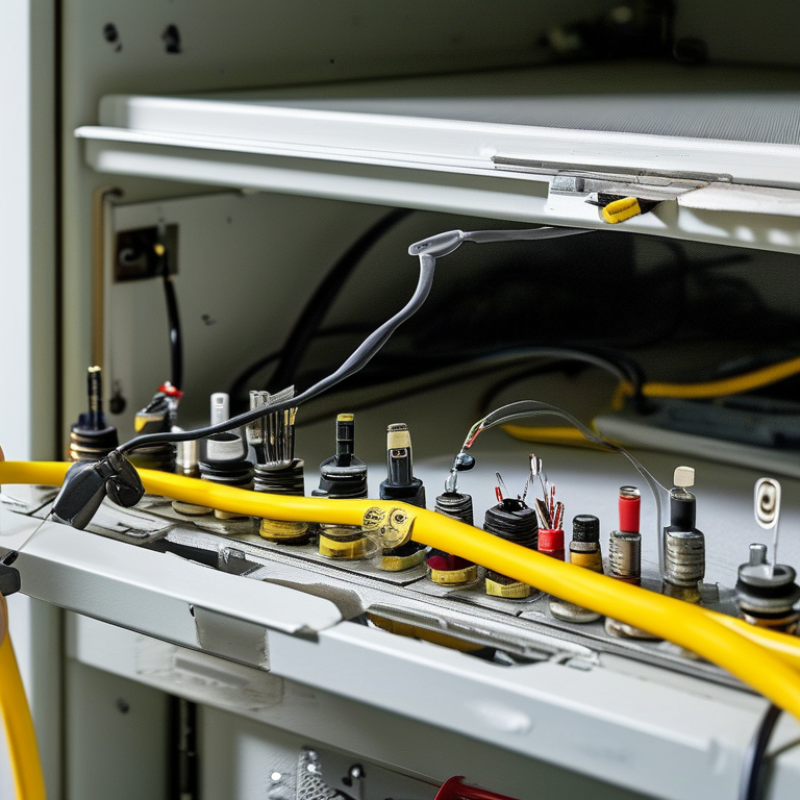
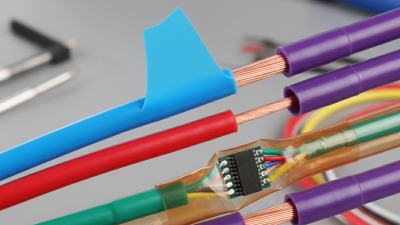
Peelable heat shrink tubing is a removable sleeve used to protect wires, connectors, and small components. It is made from heat-responsive polymer material. When heated, it contracts around the object beneath it. Unlike permanent tubing, it can usually be opened and removed without cutting deeply into the protected surface.
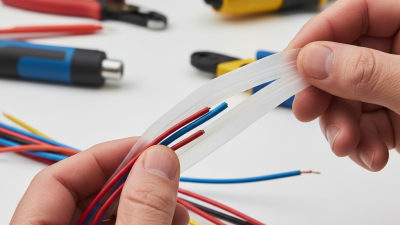
Some peelable designs include a tear line, split seam, or specially engineered wall structure. Others require careful slitting with a suitable tool. After installation, the tubing forms a close-fitting barrier against dust, moisture, abrasion, and light mechanical contact. Imagine a cable bundle leaving a repair bench with a smooth, tight cover. Later, a technician can expose the connector for testing or replacement.
Correct selection still matters. Measure the component diameter before shrinking. Check the tubing’s recovery ratio, wall thickness, operating temperature, and chemical resistance. Heat should be applied evenly, while avoiding scorching or damaging nearby insulation. A heat gun with controlled airflow is often safer than an uncontrolled flame. The removal process is not always effortless. Thick sections may split unevenly, especially after long exposure to heat or oils. I have found that leaving enough overlap near the connector makes later peeling easier. That small detail is easy to overlook. Always inspect the exposed surface afterward for cuts, residue, or compressed insulation.
Peelable heat shrink tubing provides insulation, strain relief, and mechanical protection while allowing easier access for inspection, repair, and component replacement.
What the chart shows: Typical continuous-use temperature classes associated with common heat-shrink material families. Actual performance depends on formulation, wall thickness, exposure conditions, and the product datasheet. Peelable designs are especially useful where temporary protection and future rework are both required.
Peelable heat shrink tubing is designed for secure protection without creating a permanent enclosure. Its structure usually combines a heat-responsive outer layer with a controlled release path. When heated, the tube contracts around wires, connectors, or small components. After cooling, technicians can remove it by pulling along the peel line.
The peel line may be formed through a thin seam, tear cord, or carefully weakened section. It must open predictably, but it cannot split during installation. Material engineers balance wall thickness, recovery ratio, flexibility, and tearing force. They also consider the heating temperature. Excessive heat can damage nearby insulation. Uneven heating can leave loose areas.
That detail matters in real maintenance work. A technician may need to inspect a joint inside a crowded cabinet. Cutting through ordinary tubing can risk the cable underneath. A peelable design offers better access, especially during testing or repair. The inner surface may include a release treatment or adhesive system, depending on the required grip.
The design is not perfect. Dust, sharp edges, and repeated bending can affect removal. I would test the tubing on the actual cable size before production use. A clean peel is never guaranteed by appearance alone. Controlled heating and proper sizing remain essential for reliable results.
Why Use Peelable Heat Shrink Tubing?
Peelable heat shrink tubing protects wires while allowing later access. It shrinks evenly around connectors, splices, and small cable groups. When maintenance is required, technicians can remove it without cutting deeply into the insulation. This reduces the risk of accidental conductor damage. In field work, that small advantage saves time and prevents avoidable rework.
Its key benefit is controlled accessibility. The tubing provides electrical insulation, strain relief, and protection from dust or light moisture. It also helps organize crowded wiring near terminals. Choose the correct shrink ratio and temperature range for each assembly. A loose fit may leave gaps. Excessive heat can damage nearby components. The process is practical, but not foolproof. I have found that rushed installation often creates uneven edges and weak sealing. Peelability does not replace proper inspection.
Tips: Clean the cable surface before installation. Center the tubing over the repair area. Apply heat gradually, moving the tool continuously. Check both ends for full recovery. Do not pull the tubing while it is hot. For critical equipment, record the tubing size, application temperature, and inspection result. Small records matter. They make future servicing clearer and more consistent.
Why Use Peelable Heat Shrink Tubing?
Peelable heat shrink tubing supports maintenance in electrical and industrial systems. Technicians can remove it without cutting deeply into cable jackets. This matters inside control cabinets, sensor assemblies, battery modules, and temporary test installations. The tubing tightens around wire bundles when heated. It helps reduce movement, moisture exposure, and accidental abrasion.
The need is growing. The International Energy Agency reported over 14 million electric cars sold globally in 2023. More vehicles mean denser wiring, service points, and battery connections. Peelable protection can simplify inspection around these areas. The U.S. Fire Administration has reported about 26,100 residential electrical fires annually, based on its national analysis. Tubing cannot replace correct fuses, spacing, or certified insulation. It can add a visible protective layer where damage may develop. That distinction is often missed.
In factories, removable tubing helps identify phases, shield exposed splices, and organize motor leads. It also supports planned repairs on robotics, pumps, and instrumentation. Yet removal can become difficult after overheating or contamination. I have seen installers choose a size that was too tight, creating stress near terminals.
Tips: Select tubing by recovered diameter, temperature rating, and voltage requirements. Clean the cable before installation. Use controlled heat, not an open flame. Leave access near connectors. Check the finished surface for wrinkles, gaps, or sharp edges. Follow the applicable installation standard and the manufacturer’s technical data.
Why Use Peelable Heat Shrink Tubing?
Factors to Consider When Selecting Peelable Heat Shrink Tubing
Peelable heat shrink tubing protects wires while allowing later inspection, repair, or replacement. It is valuable where harnesses change during service. The selection process needs more than a matching diameter. Check the recovered inner diameter, supplied diameter, shrink ratio, and wall thickness. A poor fit can leave channels, wrinkles, or trapped moisture. Choose the lowest practical recovery temperature for heat-sensitive insulation. Also review dielectric strength, operating temperature, chemical resistance, and flame behavior. IEC 60684 and ASTM D2671 provide useful testing frameworks for insulating sleeves and shrink performance. However, compliance data does not replace an assembly trial.
Cable density is another practical concern. IEA’s Global EV Outlook 2024 reported nearly 14 million electric-car sales in 2023, increasing demand for compact, protected harnesses. Peelable tubing can support that maintenance need, but flexibility must remain acceptable after recovery. Confirm peel force, tear direction, and residue after removal. A tubing wall that peels easily may sacrifice abrasion resistance. A tougher wall may slow field work. No datasheet predicts every bend. Test samples on the actual cable, connector, braid, and fastening method. Include thermal cycling, vibration, fluid exposure, and repeated removal. Market analyses also forecast continued growth in heat-shrink applications through 2030, yet selection mistakes remain common. The best choice is not always the thickest option; it is the one that balances protection, access, and stable processing.
| Selection Factor | Typical Data or Range | Why It Matters | What to Check Before Selection |
|---|---|---|---|
| Removal Method | Peels away longitudinally after installation; may include a tear cord, split line, or easy-peel layer. | Allows access to splices, cable joints, repairs, and temporary protection without cutting tools. | Confirm that the tubing can be removed without damaging insulation, cable jackets, connectors, or shielding. |
| Shrink Ratio | Common ratios include approximately 2:1, 3:1, and 4:1. | Determines the range of component sizes that one tubing size can cover. | Compare the recovered inner diameter with the smallest component diameter and the expanded diameter with the installation diameter. |
| Expanded and Recovered Diameter | Available sizes vary from small cable diameters to large cable bundles and harnesses. | Correct sizing provides a secure fit and helps prevent movement, wrinkling, or incomplete recovery. | Measure the actual assembly, including irregular profiles, connectors, sleeves, and strain-relief features. |
| Operating Temperature | Many polyolefin products operate continuously around −55°C to 135°C; other materials may offer higher or lower limits. | Temperature capability affects long-term reliability during service and exposure to heat sources. | Check both the continuous operating temperature and the tubing’s recovery or installation temperature. |
| Recovery Temperature | Typical heat-shrink recovery begins at approximately 70°C to 120°C, depending on construction and material. | Controls installation speed and determines whether heat can be safely applied near temperature-sensitive components. | Verify the required heat source and avoid overheating adjacent insulation, seals, or electronic parts. |
| Material Type | Common constructions include polyolefin, fluoropolymer, elastomer, and multi-layer composite designs. | Material influences flexibility, chemical resistance, temperature performance, mechanical strength, and transparency. | Select a material compatible with the cable jacket, fluids, solvents, outdoor exposure, and required flexibility. |
| Wall Thickness | Thin-wall, medium-wall, and thick-wall options are available; exact thickness depends on the product size and construction. | Thicker walls generally provide greater mechanical protection, while thinner walls improve flexibility and reduce bulk. | Balance abrasion, impact, insulation, and sealing requirements against available installation space. |
| Electrical Insulation | Many heat-shrink materials provide dielectric insulation; electrical ratings vary by material and wall thickness. | Insulation helps protect against accidental contact, moisture-related leakage, and short circuits. | Review dielectric strength, voltage rating, insulation resistance, and applicable electrical standards. |
| Moisture and Environmental Sealing | Some peelable designs are dry-wall products, while others use an adhesive or sealant layer. | Sealing performance can reduce the entry of water, humidity, dust, and corrosive contaminants. | For outdoor or wet applications, confirm water-ingress performance and adhesive compatibility with the substrate. |
| Chemical Resistance | Resistance varies against oils, fuels, hydraulic fluids, cleaning agents, acids, and alkaline solutions. | Exposure to incompatible chemicals can cause swelling, embrittlement, softening, or loss of adhesion. | Compare the tubing’s chemical-resistance data with the exact fluids, concentration, temperature, and exposure duration. |
| Mechanical Protection | Performance depends on wall thickness, material hardness, tensile strength, elongation, and abrasion resistance. | Provides protection against rubbing, handling damage, vibration, and minor impact. | Use a tougher or thicker construction where the assembly is exposed to repeated movement or abrasion. |
| Flexibility and Bend Performance | Flexible elastomeric and thin-wall constructions generally conform better to moving cables and tight bends. | Reduces stress concentration and helps maintain coverage when cables move or vibrate. | Check minimum bend radius, low-temperature flexibility, and resistance to cracking after repeated flexing. |
| Peel Force and Residue | Removal force depends on the peelable layer, adhesive system, substrate, aging, and installation conditions. | Low-residue removal is important for rework, inspection, testing, and component replacement. | Request peel-force and residue data for the actual cable jacket or substrate, especially after thermal aging. |
| Flame Performance | Some formulations are flame-retardant or self-extinguishing; performance is construction-specific. | Flame behavior may be required in transportation, industrial, electrical, and enclosed equipment applications. | Verify the applicable flammability classification and test method rather than relying only on general product descriptions. |
| Installation Clearance | Peelable tubing can be installed over some assemblies without disconnecting both cable ends, depending on the design. | Can reduce disassembly time and simplify field repairs or retrofit work. | Confirm whether the tubing is suitable for confined spaces and whether access is available for uniform heating. |
| Electrical and Industry Standards | Requirements may include material, flammability, environmental, automotive, aerospace, or railway standards. | Compliance supports consistent performance, documentation, and qualification for regulated applications. | Identify the required standards, test reports, traceability, and qualification conditions before purchasing. |
| Serviceability and Rework | Designed for applications where inspection, replacement, or periodic access may be necessary. | Improves maintainability compared with permanently bonded or difficult-to-cut protective coverings. | Determine how many removal and reinstallation cycles are required and whether replacement tubing is recommended. |
| Color and Identification | Common options include black, clear, and selected identification colors, depending on construction. | Color can support cable identification, visual inspection, and installation verification. | Choose a color that remains visible after recovery and is compatible with marking or labeling requirements. |
| Storage and Shelf Life | Storage recommendations commonly include a clean, dry environment away from direct sunlight and excessive heat. | Improper storage may affect flexibility, shrink behavior, adhesive performance, and peelability. | Review storage temperature, humidity limits, packaging requirements, and stated shelf life. |
As a trusted co-development partner, Teleflex Medical OEM supports industry leaders in the design and development of medical devices with the unparalleled expertise that improves speed, flexibility, and value.
©2025 Teleflex Incorporated. All rights reserved. Teleflex, EPIC Medtec, Force Fiber Fusion, and “Work With The Experts” are trademarks or registered trademarks of Teleflex Incorporated in the U.S. and other countries. Additional trademarks are property of their respective owners.