Why Choose a Power Recliner Chair?
A Power Recliner Chair is more than a living-room upgrade. It can support comfort, independence, and easier daily movement. With one button, the backrest lifts, the footrest extends, and the user can adjust posture without pulling a lever. That matters after surgery, during recovery, or after long working hours.
The U.S. Census Bureau projects that the number of Americans aged 65 and older will reach 88.8 million by 2060. This demographic shift increases demand for furniture that supports safer, more accessible living. AARP research also shows that many older adults prefer aging in place. A power recliner may fit that goal by reducing bending and leg effort. However, convenience should not be confused with medical treatment. The chair supports movement; it does not replace professional care.
Market research reflects this broader interest. Grand View Research identifies rising demand for comfortable, adjustable seating within the global furniture market. Meanwhile, the World Health Organization emphasizes the importance of reducing prolonged sedentary behavior. A well-designed recliner can encourage position changes, but only when users actually adjust it. That is easy to forget.
Look for a supportive headrest, smooth motor operation, firm seat cushioning, and accessible controls. Check the chair’s weight capacity and clearance before purchase. A small gap beside a wall can prevent full recline. The best Power Recliner Chair is not necessarily the most expensive model. It is the one that matches the user’s body, room, mobility needs, and daily habits. Comfort is personal. Evidence helps, but real experience still matters.
What Is a Power Recliner Chair?
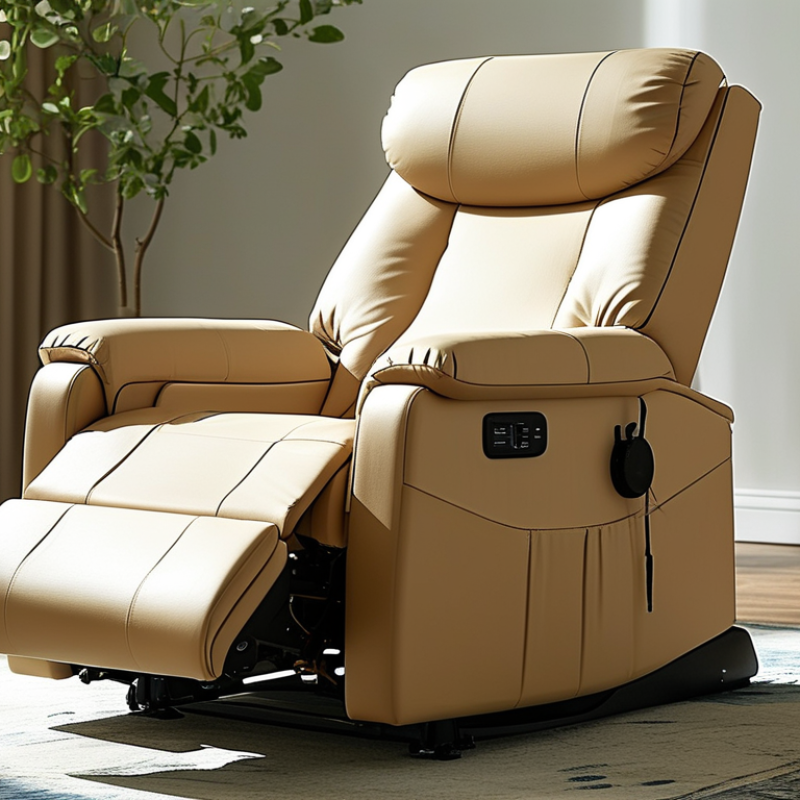
A power recliner chair is an upholstered seat that changes position through an electric motor. Instead of pulling a side handle, you press a button to raise the footrest or tilt the backrest. Many chairs offer separate controls, allowing your back and legs to rest at different angles. The motor usually works through a wired adapter, while a backup battery may support movement during a brief power interruption. It is more than a soft armchair. It is an adjustable support system. Still, comfort depends on fit, not buttons alone.
Tips: Measure your room before buying. Leave space behind the chair if the backrest moves outward. Check the seat depth, arm height, and weight capacity. Your heels should rest comfortably when the footrest is open. Keep the power cord away from walking paths. Small details matter.
In daily use, a power recliner can help someone change position without pushing hard against a stiff lever. This may be useful for older adults or people with limited hand strength. However, powered movement is not a substitute for medical support. A poorly fitted chair can leave your neck bent or your knees unsupported. I once underestimated clearance near a wall; the chair operated, but the back nearly touched it. That mistake was avoidable. Test the controls slowly, listen for unusual motor sounds, and check whether the chair returns smoothly to its upright position.
How Power Reclining Mechanisms Work
Why Choose a Power Recliner Chair?
How Power Reclining Mechanisms Work
A power recliner uses a small electric motor to adjust its position. When you press the control, the motor turns a geared actuator. That actuator extends or retracts slowly, moving the backrest and footrest. The movement feels steady because the mechanism uses controlled force, rather than a sudden spring release.
Inside the chair, a low-voltage transformer supplies power from a wall outlet. Limit switches stop the motor when the chair reaches its designed position. This helps reduce strain on the gears and frame. Many controls also allow small adjustments, so you can raise your feet without fully lowering your back. That matters when reading, watching television, or resting after work.
A useful hands-on check is simple. Listen for grinding, clicking, or uneven movement. The chair should move smoothly and stop without a harsh jolt. Keep cables clear of moving parts. A blocked cable can become a safety concern.
Still, no mechanism is flawless. Power failure may leave the chair in one position. I may be overly cautious, but a manual release or backup battery can provide extra reassurance. The frame, actuator, and wiring must also match the user’s weight and daily habits. A reclining chair is not just soft padding. It is a coordinated system of motors, joints, switches, and support materials.
Key Comfort and Health Benefits
Why Choose a Power Recliner Chair?
Key Comfort and Health Benefits
A power recliner can turn an ordinary seat into a practical rest station. With one button, the back tilts and the footrest rises, supporting the legs after long periods of sitting. This may ease pressure around the lower back, hips, and knees. It can also help people with limited strength change position more smoothly. However, it is not a medical treatment.
The health value depends on correct use. The CDC reports that more than one in four adults aged 65 and older falls each year. A powered lift function may reduce the effort needed to stand, especially beside a stable walking path. It should never replace professional mobility advice. The World Health Organization estimates that musculoskeletal conditions affect about 1.71 billion people worldwide. Better seating cannot solve every cause of discomfort. That limitation matters.
Tips: Choose an independently tested chair with a firm seat, reachable controls, and smooth movement. Keep the footrest fully closed before walking. Leave clear space around the chair. Adjust the recline gradually. Small details matter.
In daily use, comfort is often more personal than expected. A tall user may need deeper lumbar support, while a shorter user may need a smaller seat depth. Try the chair with normal shoes. Notice whether your feet rest flat. Fancy features are not always useful. A careful fitting session is worth the time.
Sources: Centers for Disease Control and Prevention, Older Adult Falls; World Health Organization, Musculoskeletal Health.
Features to Consider When Choosing One
Choosing a power recliner chair starts with its movement, not its appearance. Test how smoothly the motor raises the footrest and lowers the back. A quiet mechanism matters in shared living spaces. I once underestimated control placement. A small, illuminated remote can be easier to use beside a dim sofa.
Measure the chair fully reclined, not only in its upright position. Leave space behind and beside it for safe movement. Check the seat width, cushion firmness, and armrest height. Your feet should rest comfortably on the floor when seated. If the chair feels attractive but forces your shoulders forward, it may become uncomfortable after several minutes.
Fabric and leather-like materials need different care. Look for durable stitching, removable covers, and clear cleaning instructions. A wall-hugger design can help smaller rooms, but it still needs ventilation around the motor. Consider a battery backup for short power interruptions. Also inspect the emergency return feature, weight capacity, and warranty terms. These details are easy to overlook. I would not rely on a vague promise of “premium comfort” without measurable specifications. Sit in the chair more than once, preferably after reading the manual. Real comfort is personal, and even good advice can miss your posture, room, or daily routine.
Why Choose a Power Recliner Chair?
Key features to consider include positioning flexibility, pressure relief, safety, lift assistance, backup power, and everyday convenience. The chart uses a practical 1–5 evaluation scale to compare the relative importance of each feature when selecting a power recliner.
A higher score indicates that the feature generally has a stronger effect on comfort, accessibility, safety, or daily usability.


