Vitamin K3 Powder is used in animal feed to support normal blood clotting. It supplies vitamin K activity, which animals need to produce proteins involved in this process. In practical feed production, a measured amount can be blended into a ration so it is distributed more evenly than a small dose added by hand. That matters in large batches. It also matters when feed ingredients vary.
The reason for using it is not simply to make animals grow faster. Vitamin K helps maintain a basic physiological function, and inadequate intake can contribute to poor health. Different species, life stages, diets, and health conditions may affect their needs. Feed manufacturers therefore consider the full formulation, not just one ingredient. Storage and mixing also deserve attention, since product quality and even distribution influence what animals receive.
Details matter. Vitamin K3 Powder is a feed ingredient, not a substitute for sound nutrition or veterinary care. Its form, quality, and appropriate inclusion level should be confirmed with reliable product documentation and qualified nutrition professionals. Requirements and approved uses can differ by location and animal category, so current local guidance should be checked. This is easy to overlook. A powder can look uniform while still being unevenly mixed. Understanding why it is included helps explain its role, but the best feed decision depends on the whole diet and the animals consuming it.
Vitamin K3, or menadione, is a synthetic form of vitamin K used in some animal-feed formulations. Unlike vitamin K1, which occurs in leafy plants, and vitamin K2, which is made by certain bacteria and found in some animal foods, menadione has a simpler chemical structure. It lacks the side chain present in K1 and K2.
That distinction matters.
Feed products commonly use stabilized menadione derivatives rather than plain menadione powder. These forms can be handled and mixed into feed more easily, though their properties vary. In the animal, vitamin K supports the activation of proteins involved in normal blood clotting and other processes. K3 can serve as a dietary source, but it is not simply interchangeable with every K1 or K2 form in every species or feeding situation.
The comparison is not perfectly tidy. Animals differ in how they absorb and use vitamin K, and feed composition can affect availability. A nutritionist or veterinarian should check the specific species, product form, and inclusion rate when designing a ration.
Small formulation details matter.
Vitamin K3, or menadione, is used in animal feed as a source of vitamin K activity. After absorption, animals convert it into forms that help activate specific proteins. These proteins support normal blood clotting. In practical terms, that matters when a bird or pig has a small injury: clotting helps limit bleeding. Vitamin K also contributes to the activation of proteins involved in bone metabolism, though it is not a substitute for balanced mineral nutrition.
Feed formulators consider the animal’s species, age, diet, and production conditions when setting inclusion levels. Young animals can be more vulnerable to an inadequate supply, especially when feed ingredients provide little available vitamin K. A measured amount in a premix helps deliver it evenly through a batch.
Small detail, big difference. The final feed still needs careful mixing and storage, since formulation quality depends on more than the ingredient itself.
Vitamin K3 supports normal nutrition; it does not treat bleeding disorders or replace veterinary care. Its role can seem modest, but a deficiency may have serious consequences. That balance deserves attention.
Vitamin K3 powder is typically incorporated through a premix rather than sprinkled directly into a full feed batch. Its small inclusion amount can make even distribution difficult. A measured quantity is blended with a suitable carrier first, creating a more uniform premix for later mixing. Small details matter.
At a feed mill, staff follow the product’s handling instructions and the approved feed formula. They may add the premix at a defined point in the mixing cycle, then check that the blend is consistent. The right sequence depends on the mixer, batch size, and other ingredients. A process that works in one mill may not transfer perfectly to another.
Moisture, storage time, and exposure conditions can affect ingredient quality, so keep the powder in its specified packaging and storage environment. Avoid guessing the amount or extending storage without checking product guidance. That part is easy to overlook. Use only a feed-grade form suitable for the intended animal and location, and have a qualified nutrition professional confirm the formulation. Periodic mixing checks can reveal uneven distribution before the feed is delivered.
Vitamin K3, or menadione, is used in some animal feeds as a source of vitamin K. Poultry and pigs are among the animals most commonly given diets containing it. Their feed is formulated to meet nutritional needs at different growth stages.
Broiler chickens may receive it in complete feed, where it supports normal blood clotting. Laying hens can also receive vitamin K3 as part of a balanced ration. Feed mills mix it into measured batches, rather than adding it casually to a farm’s grain bin. Small details matter.
Pigs, including young piglets, may receive it through formulated starter or grower feeds. Some farmed fish diets also include vitamin K sources, depending on the species and feed recipe. Cattle are different: microbes in a healthy rumen can produce vitamin K, so routine supplementation is less common. Yet age, diet, and health can change the picture. Feed choices should reflect the animal and its actual ration, not a one-size-fits-all assumption.
| Animal group | How commonly it is included | Why it may be added to feed | Typical feeding context | Practical considerations |
|---|---|---|---|---|
| Chickens and turkeys | Common in formulated poultry feeds, depending on the feed program and local requirements. | Provides vitamin K activity needed for normal blood clotting and helps prevent deficiency when dietary supply is inadequate. | May be included in complete feeds for broilers, layers, breeders, and turkeys. | Feed formulation should account for the vitamin K supplied by ingredients and use an approved feed-grade source. |
| Pigs | Used in some complete feeds and premixes; inclusion depends on diet formulation and production conditions. | Supplies vitamin K activity to support normal blood coagulation and meet dietary needs. | May be considered in diets for piglets, growing pigs, and breeding animals as part of a balanced premix. | It is a nutritional ingredient, not a substitute for diagnosing or treating bleeding or other health problems. |
| Farmed fish | Used in some aquaculture diets, with inclusion varying by species and feed formulation. | Contributes vitamin K activity as part of the vitamin premix in nutritionally complete feeds. | May be included in formulated feeds for farmed fish when dietary vitamin provision is needed. | Vitamin requirements differ among species and life stages, so feed specifications should be species-appropriate. |
| Young ruminants, such as calves | Conditional rather than routine for all animals; use depends on the diet and veterinary or nutrition advice. | May help provide vitamin K activity when dietary supply or natural microbial contribution is limited. | Considered in specific feeding situations, rather than automatically added to every adult cattle or sheep ration. | Ruminants can obtain vitamin K from microbial synthesis, so supplementation needs are not the same across species and ages. |
Note: Vitamin K3 is a feed-grade form of vitamin K activity used in some animal diets. Its use and permitted forms vary by jurisdiction; follow local regulations and the guidance of a qualified animal nutritionist or veterinarian.
Vitamin K3 powder can support normal blood clotting and help prevent deficiency in livestock diets. Its usefulness depends on accurate dosing and even distribution. Small amounts matter. A poorly blended batch may leave some animals short while others receive more than intended.
Handle the powder in a dry, well-ventilated area. Keep bags closed between uses, and avoid creating dust when scooping or transferring material. Wear suitable gloves and eye protection; use respiratory protection if the product instructions or workplace assessment call for it. Do not eat or drink in the handling area. Spills can become airborne, so clean them gently rather than sweeping them into a cloud. Check the safety data sheet for product-specific guidance.
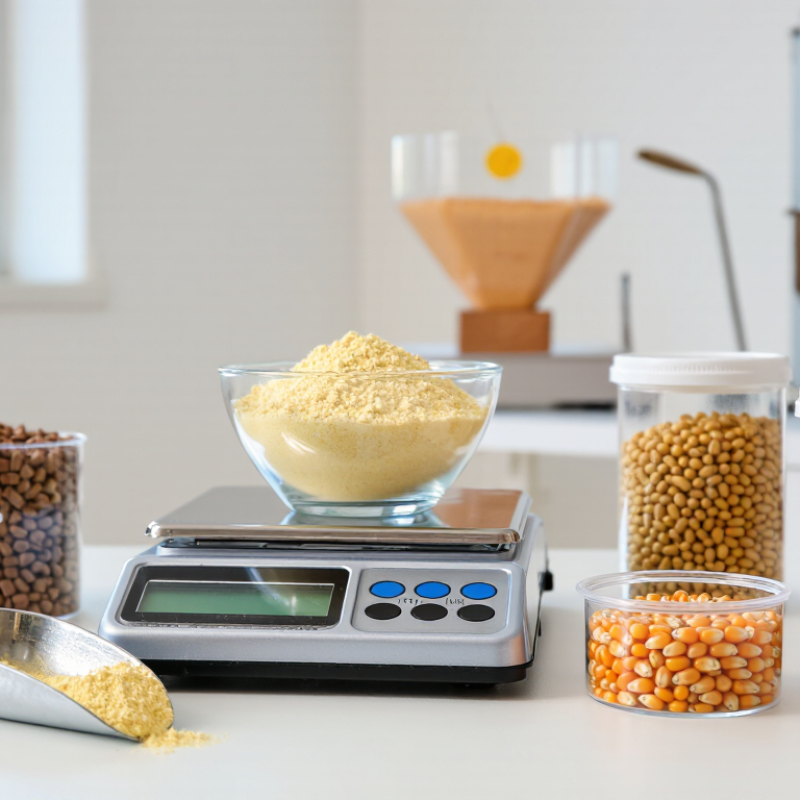
Store the material in its original, clearly labeled container, away from moisture and incompatible feed ingredients. Follow the supplier’s storage instructions and use feed-grade material only. A calibrated scale and a documented mixing procedure help reduce dosing errors. Ask a qualified animal nutrition professional to set inclusion rates for the species and ration. Labels and approved uses can vary by location. Even experienced staff can miss a step, so keep handling and batch records current.
As a trusted co-development partner, Teleflex Medical OEM supports industry leaders in the design and development of medical devices with the unparalleled expertise that improves speed, flexibility, and value.
©2025 Teleflex Incorporated. All rights reserved. Teleflex, EPIC Medtec, Force Fiber Fusion, and “Work With The Experts” are trademarks or registered trademarks of Teleflex Incorporated in the U.S. and other countries. Additional trademarks are property of their respective owners.