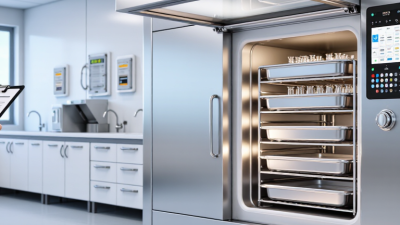
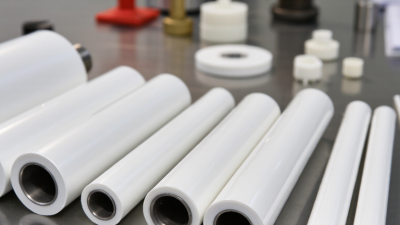
A Steam Autoclave uses saturated steam under pressure to sterilize heat-resistant instruments, laboratory materials, and other compatible loads. It is more than a heated chamber. Its performance depends on steam reaching the surfaces that need treatment, along with the right exposure conditions and a verified cycle. The details matter. A tightly packed tray can obstruct steam, while trapped air may prevent even heating.
William A. Rutala is an infection-prevention researcher whose work addresses disinfection and sterilization. A concise paraphrase of his guidance is: “Clean first, then verify the process.” That is not a verbatim quotation; it reflects the practical importance of cleaning and monitoring in reliable reprocessing. In a typical cycle, air is removed, steam enters the chamber, and the load is held at a specified temperature and pressure for a set time. The chamber then releases pressure, and the load dries or cools as required. Exact settings vary by autoclave, load, and validated instructions.
Small details count. Operators check packaging, arrange items for steam access, and review cycle records and indicators. The machine’s display alone cannot confirm that every item was sterilized. This guide explains the main components, cycle stages, monitoring methods, and common loading considerations. It also distinguishes sterilization from simple heating. One caution remains: a familiar cycle is not automatically a suitable one. Always follow the device manufacturer’s instructions and applicable facility procedures.
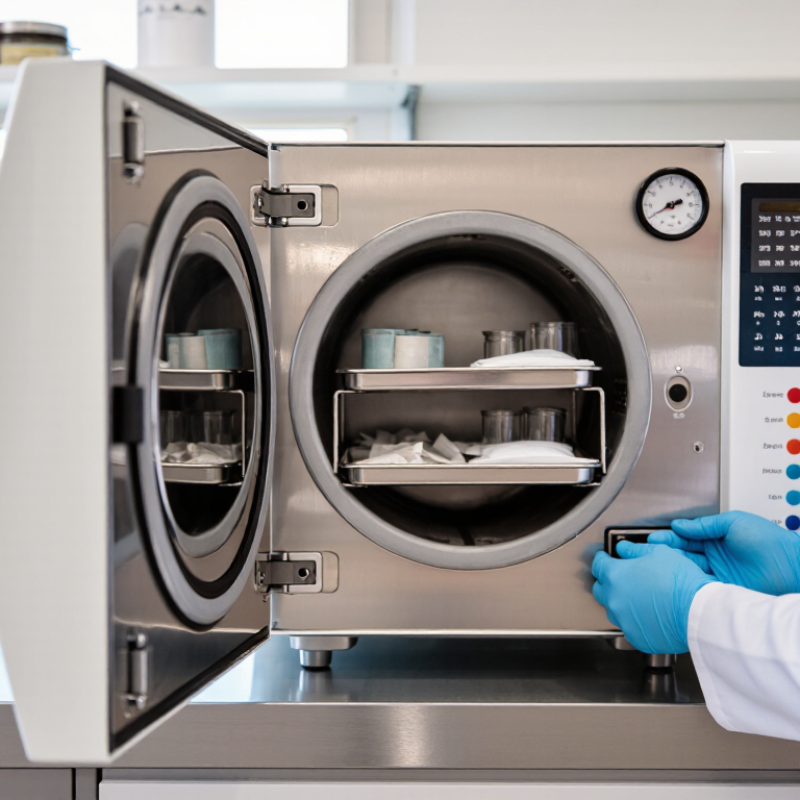
A steam autoclave is a sealed chamber that sterilizes suitable items using saturated steam under pressure. Pressure allows steam to reach temperatures above the boiling point of water. The moist heat transfers efficiently to surfaces and can destroy many microorganisms, including resistant spores, when the cycle is properly validated. It is used for compatible instruments, laboratory equipment, and other heat-tolerant materials.
An autoclave does not simply “wash” an item. Cleaning removes soil first; sterilization is a separate process. The cycle’s temperature, exposure time, steam quality, and load arrangement all matter. For example, tightly packed trays may block steam from reaching every surface. Not every plastic, liquid, or delicate device can tolerate these conditions. Check the item’s instructions and follow your facility’s validated procedures. A readout alone is not proof that every load was sterilized.
Tips: Clean items before loading, leave room for steam circulation, and avoid overfilling the chamber. Use the monitoring methods required by your procedure, and review a failed or unusual result before releasing the load. Small details matter. One practical point can be easy to miss: a familiar cycle may still be unsuitable for a different load.
A steam autoclave uses saturated steam, pressure, and controlled exposure to sterilize suitable instruments and materials. Its central component is the sealed chamber, where items sit on racks or trays. A steam inlet feeds the chamber, while a drain removes condensate and helps carry air away. Many units also have a surrounding jacket to keep chamber walls warm. The jacket is useful, but not every design includes one.
Air removal matters because trapped air can prevent steam from reaching surfaces evenly. Depending on the model, a vacuum system or gravity displacement helps clear it. Temperature and pressure sensors send readings to the controller, which manages the cycle. Safety valves help release excess pressure.
CDC’s 2008 Guideline for Disinfection and Sterilization in Healthcare Facilities describes steam as the most widely used and dependable sterilization method. It lists different exposure conditions by cycle type: for example, 121°C for 30 minutes in a gravity-displacement cycle, or 132°C for 4 minutes in a prevacuum cycle, for wrapped instruments. These are exposure times, not total cycle times.
Tips: Check the load instructions and cycle record. Keep items spaced so steam can circulate. Real loads are less tidy than diagrams, and that detail is easy to underestimate. Temperature readings alone do not prove that every item received adequate exposure.
What Is a Steam Autoclave and How Does It Work?
How Steam and Pressure Prepare the Chamber
Before sterilization begins, the chamber must remove air and distribute steam evenly. Trapped air can block steam from touching instrument surfaces, especially inside narrow channels or beneath wrapped loads. In a pre-vacuum cycle, vacuum pulses help extract air; steam then fills the chamber. Pressure raises steam’s temperature above water’s normal boiling point, while condensation transfers heat to the load. The gauge matters, but it does not prove sterilization by itself.
The CDC’s Guideline for Disinfection and Sterilization in Healthcare Facilities lists example exposure times for wrapped instruments: 30 minutes at 121°C in a gravity-displacement cycle, or 4 minutes at 132°C in a dynamic-air-removal cycle. These are examples, not universal settings; the device and load instructions determine the validated cycle. Watch for an unevenly packed tray or a damp wrap. Small details matter.
Tips: Keep chamber drains clear, avoid overcrowding, and check cycle records and indicators. If a load emerges wet, pause and investigate rather than assuming it is ready.
| Stage or Component | What Happens | How Steam and Pressure Help | Practical Detail |
|---|---|---|---|
| Purpose | A steam autoclave uses moist heat to sterilize suitable instruments, materials, or laboratory items. | When saturated steam contacts a cooler load, it condenses and transfers heat efficiently to the surfaces. | Effectiveness depends on the item, packaging, load arrangement, and a validated cycle. |
| Chamber loading | Items are placed in the chamber with space for steam to circulate and air to escape. | Good spacing helps steam reach exposed surfaces and reduces cold spots. | Overloading or tightly packed items can interfere with air removal and steam penetration. |
| Air removal | Air is removed before or during steam admission. Gravity-displacement units push air out as steam enters; pre-vacuum units use vacuum pulses to remove air. | Removing air allows steam to contact the load. Trapped air can prevent effective heat transfer. | The appropriate air-removal method depends on the autoclave and the type of load. |
| Steam admission | Steam enters the chamber and displaces remaining air as the chamber warms. | Pressure allows saturated steam to reach temperatures above the normal boiling point of water. | Pressure supports the required steam temperature; pressure alone does not sterilize. |
| Typical conditions | Common saturated-steam reference temperatures include 121°C and 134°C. | At approximately 121°C, saturated steam is about 205 kPa absolute (15 psig); at 134°C, it is about 304 kPa absolute (29 psig). | Approximate pressures are relative to standard atmospheric pressure and can vary with local atmospheric conditions. |
| Exposure phase | The load is held at the validated temperature for the required exposure time after conditions are reached. | Moist heat damages microorganisms, including resistant spores, when the complete cycle is appropriate for the load. | Exposure times vary. A 121°C cycle may require substantially longer exposure than a 134°C cycle; follow validated instructions rather than relying on a single universal time. |
| Exhaust and drying | After exposure, steam is exhausted in a controlled way. Some cycles include a drying phase. | Pressure reduction allows the chamber to return toward atmospheric pressure; drying helps remove residual moisture from compatible loads. | Liquids and porous or wrapped items may require different exhaust and drying settings. |
| Cycle verification | Operators review cycle records and use suitable physical, chemical, and biological monitoring. | These checks help confirm that specified cycle conditions were delivered and that the process is monitored. | Monitoring requirements and frequency depend on applicable regulations, facility procedures, and the sterilizer’s instructions. |
Important: Temperature, pressure, and exposure time are interdependent. Always use a validated cycle appropriate for the specific load and follow the autoclave and item manufacturers’ instructions.
A steam autoclave sterilizes instruments by exposing them to saturated steam under pressure. The cycle has three critical stages: exposure, exhaust, and drying. During exposure, steam must contact every surface for a validated time and temperature. Trapped air can block that contact, so loading and air removal matter.
The CDC’s 2008 Guideline for Disinfection and Sterilization lists common exposure parameters for wrapped instruments: 30 minutes at 121°C in a gravity-displacement sterilizer, or 4 minutes at 132°C in a prevacuum sterilizer. These are examples, not universal settings; the load and device instructions determine the validated cycle. Not a shortcut.
During exhaust, steam leaves the chamber and pressure falls. Drying then removes moisture from packs and instruments. The CDC warns that wet packs can be considered contaminated, because moisture may compromise the packaging barrier. A detail easy to overlook: a cycle can reach its exposure targets yet still produce damp packs. Overloading, poor spacing, or insufficient drying time may contribute. Check cycle records and inspect packs before storage; don’t treat a completed display as proof that every item is ready.
A steam autoclave sterilizes items with saturated steam under pressure. The pressure allows steam to reach temperatures above boiling point; moist heat damages microorganisms, including resistant spores. Correct results depend on contact, temperature, exposure time, and the way a load is arranged. Overpacked trays can block steam from reaching surfaces.
Verification uses several checks. Staff review cycle records for temperature, pressure, and holding time, then use chemical indicators to show whether items were exposed to process conditions. A color change can feel reassuring, but it does not prove sterility. Biological indicators containing resistant spores provide a stronger challenge to the cycle and are used at intervals set by validated procedures. Keep the results with load records. If a reading or indicator fails, hold the load and investigate rather than assume it is safe. Small details matter.
Autoclaves are common in hospitals, dental clinics, research laboratories, and facilities that prepare culture media or reusable instruments. They may also treat certain laboratory waste streams, when procedures and local requirements allow. Loads differ: a wrapped instrument, a bottle of liquid, and a porous textile heat differently. Staff need training for the specific cycle and load type. Even a well-run machine needs maintenance, careful loading, and review of records; monitoring can reveal problems, but it cannot replace sound judgment.
As a trusted co-development partner, Teleflex Medical OEM supports industry leaders in the design and development of medical devices with the unparalleled expertise that improves speed, flexibility, and value.
©2025 Teleflex Incorporated. All rights reserved. Teleflex, EPIC Medtec, Force Fiber Fusion, and “Work With The Experts” are trademarks or registered trademarks of Teleflex Incorporated in the U.S. and other countries. Additional trademarks are property of their respective owners.